Preserve the season, that's the goal in the kitchen
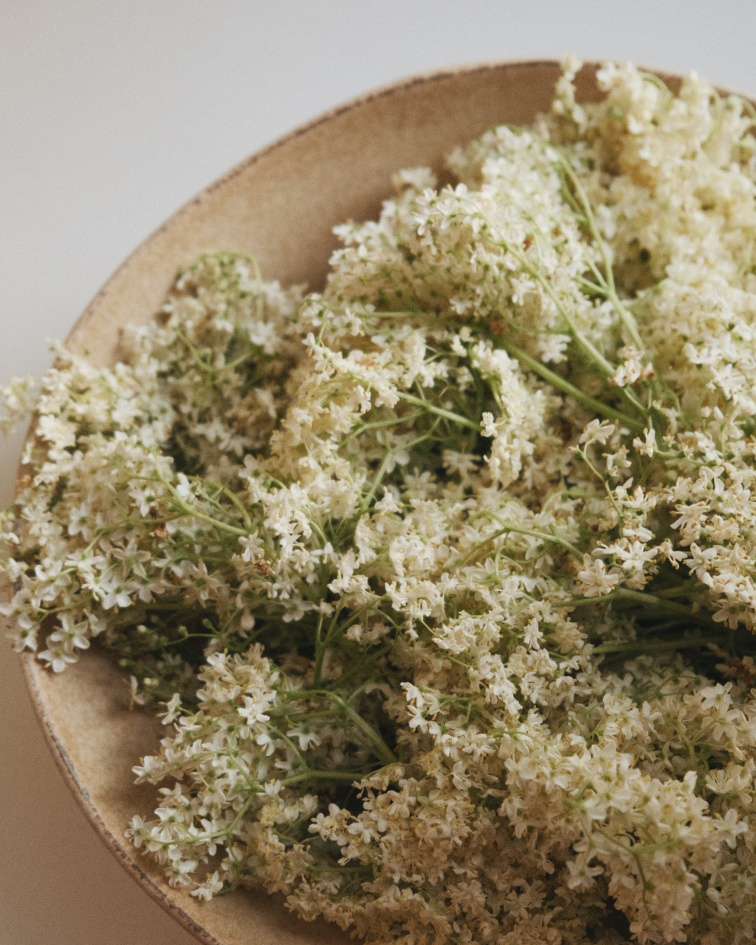
Preserve the season, that's the goal in the kitchen
The most beautiful season is the herbal one, there is no doubt about it. Besides a rich taste spectrum, herbs have anti-inflammatory and antioxidant effects, support digestion, and with their antibacterial properties, fight against pathogens.
Article Content
Zero waste approach that seals the season in a jar
Pickled chive flowers
Elderflower cream inspired by Copenhagen chef Christian Puglisi
Lemon vinaigrette
.
.
.
.
.
Zero waste approach that seals the season in a jar
Use the whole herb from stem to flower? This approach is precisely why I admire all those fine-dining restaurants. All the chefs who brought us all the herbal oils, pickled flowers, sauces, pickles, and quick pickles, who ferment and pickle, pushing the boundaries of cooking. What connects them all is simple "common sense", the ability to preserve the season and bring it into our meals even in the harshest of winters. Isn't that exactly what our great-grandparents did? Yes. However, in times of abundance, it becomes less and less common.
Herbs should not be cooked for long and should be added to the cooking just before it's done. This way, they retain the most beneficial substances.
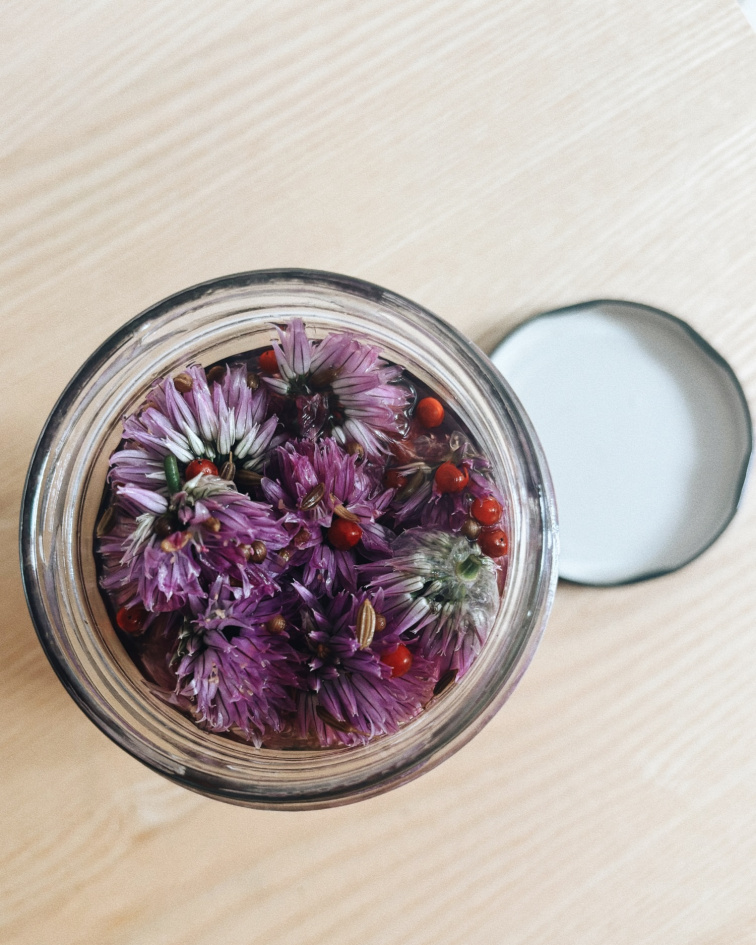
Pickled chive flowers
Growing chives is quick, the stems thicken rapidly, and the plants quickly flower. However, the flowers are edible and have the same intense onion flavor. You can easily pickle them in salt or dry them, but have you ever tried pickling them in a sweet-sour brine?
- 1 liter of vinegar of your choice (fermented/wine/apple or a combination), 500 ml water, 1300 ml sugar
- Dissolve the sugar in water, ideally adding it to boiling water to give it a bit of a caramel flavor, and only after dissolving, add the vinegar. Do not boil again. Feel free to add coriander seeds, fennel; an absolute gamechanger is aromatic, sweet pink pepper. Want a level up? Just before adding the spices to the brine, dry-toast them in a pan briefly to release their fragrance.
- Let it rest in the fridge for 24-48 hours before tasting.
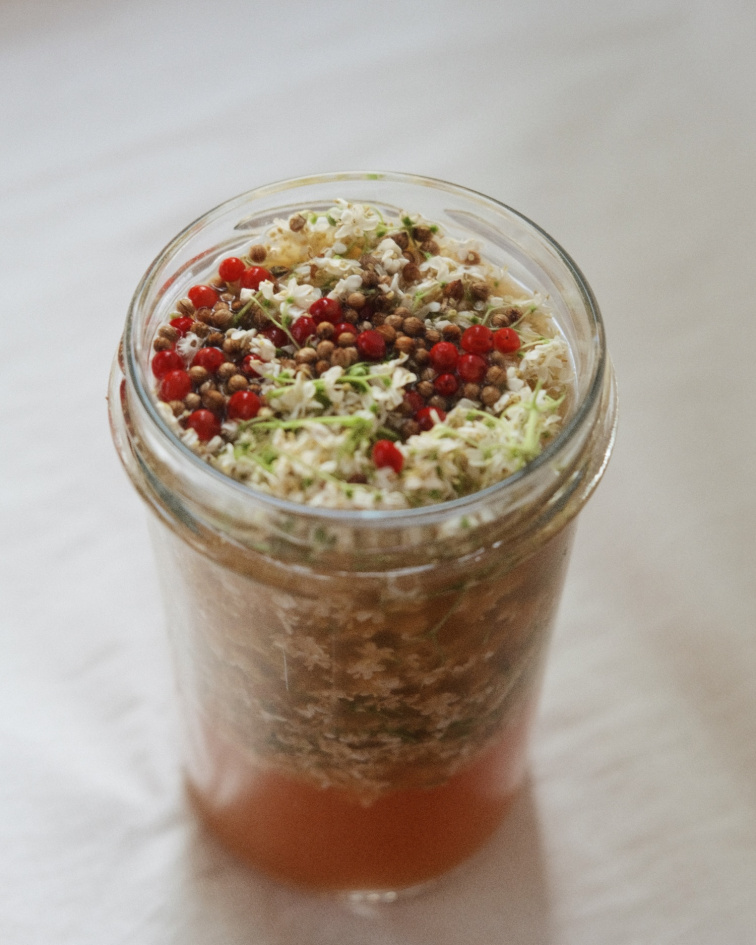
Elderflower cream inspired by Copenhagen chef Christian Puglisi
- Elderflowers pickled according to the above recipe (only flowers and tender stems), 3 tablespoons of brine and a few flowers, 200g crème fraîche, ricotta or whipping cream, a pinch of salt, lemon zest and a bit of brine for seasoning, mix and let the flavors blend - at least two hours in the fridge.
- Enjoy this cream as a dip, spread, or combine it with fruit, vegetables, or sourdough bread.
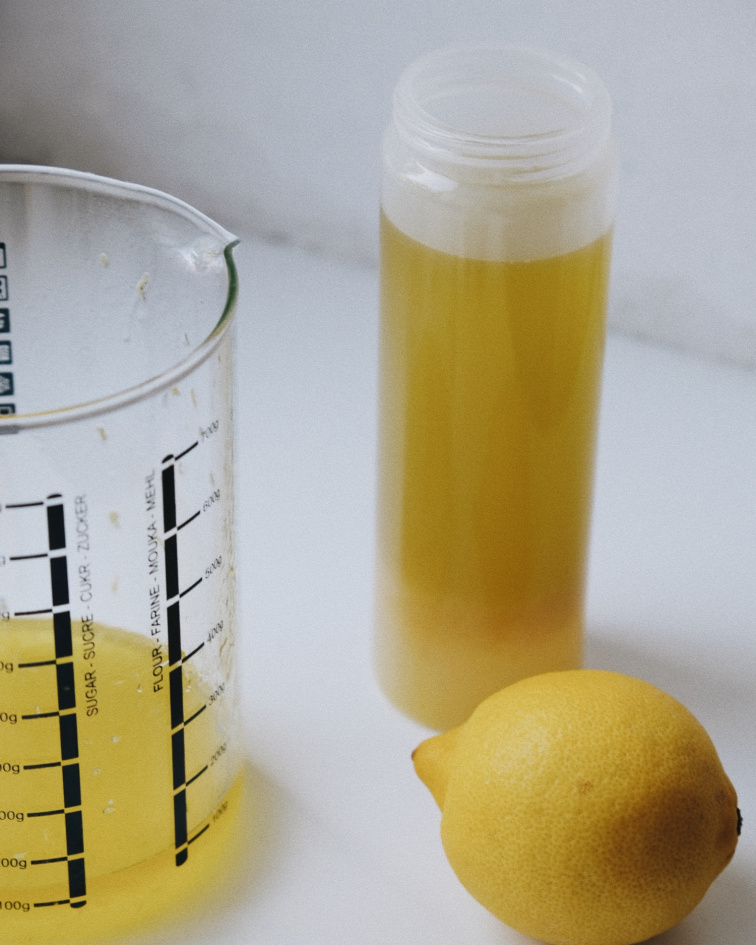
Lemon Vinaigrette
Vinaigrette is a miracle. It's a combination of oil with an acidic component, vinegar, lemon juice, or even juice from vegetables. At the Presov restaurant Zwicker, they taught me the charm of vinaigrette, often served with raw cold fish, which is often bright green or red, depending on whether it's made from carrots, celery, or other vegetables, depending on the herbs used. Let's get back to basics. Lemon vinaigrette. It smells like summer in Sicily. A simple way to season a regular salad. Because, if you ask me, there's nothing worse than a heap of salad with a meal that hasn't been properly seasoned.
- 3 lemons, 1.5 dcl Olive oil, 1.5 dcl Sunflower oil, A pinch of salt
- Grate the zest of the lemons (ideally unsprayed), and gently salt it to enhance its flavor. Juice the lemons and mix the juice with both types of oil. Add the lemon zest and let it rest in the fridge. Shake well before each use to mix the ingredients into an emulsion.
For Tokyo Tools: Kamila Talarovič, Tokyo Tools ©