Používáme soubory cookies Pro zajištění správného fungování webu, personalizaci obsahu a zlepšování našich služeb používáme soubory cookies. Některé jsou nezbytné pro fungování webu, jiné využíváme pro analytické a marketingové účely. Kliknutím na „Přijmout všechny" souhlasíte s jejich používáním. Své preference můžete kdykoli změnit.
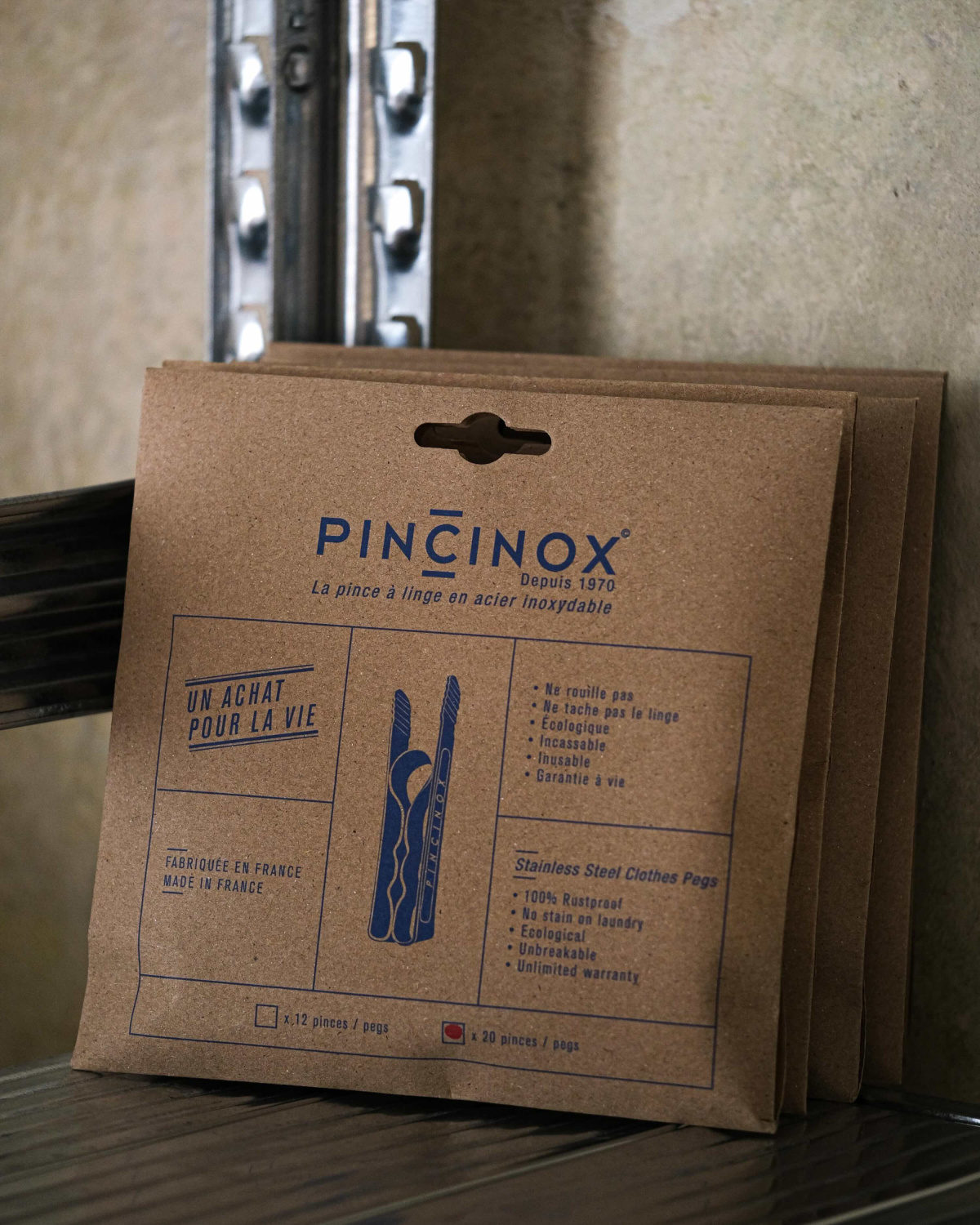
The story of the Pincinox brand began in 1970 in the south of France. The brand's founder, Louis „Loulou“ Violet, wanted to create a clothes peg that would withstand many years of everyday use.
Article contents
One piece of steel From the first prototype to production Form follows function A simple clip A design that has not changed
.
.
.
.
.
One piece of steel
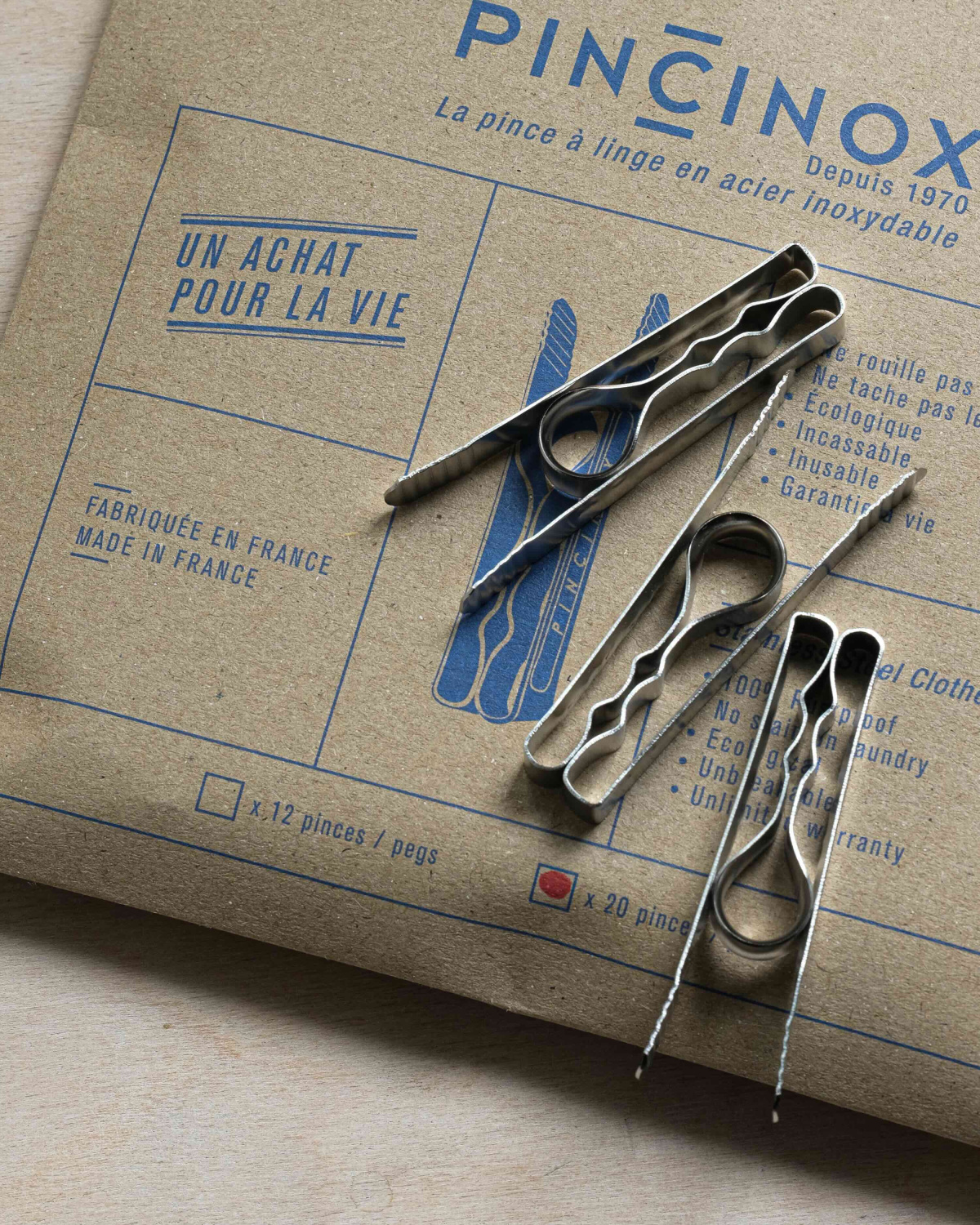
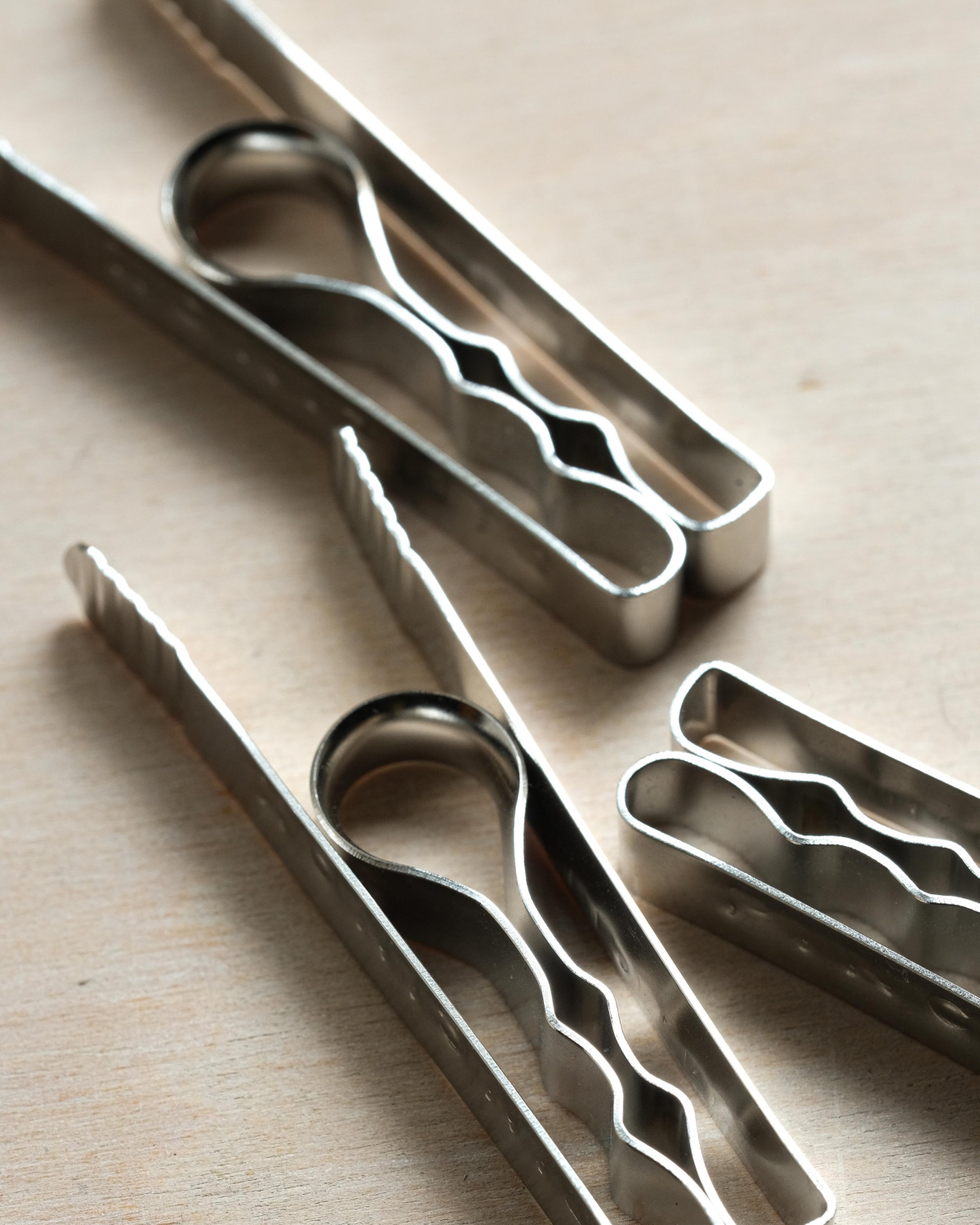
Unlike ordinary clothes pegs, Pincinox is made from a single piece of stainless steel, without a spring or any other joints. Its patented design, together with the use of stainless steel, forms the basis of its long lifespan. The steel used withstands rain, frost, sunlight and salt water. It does not corrode, leave rusty marks on laundry or fail to hold both light and heavy items securely.
From the first prototype to production
The first prototype was made from the stainless-steel drum of a discarded washing machine. Louis Violet, a laboratory technician at an oil refinery and an enthusiastic inventor, shaped the individual parts by hand using pliers until he found a form that combined simplicity, strength and flexibility. In cooperation with an engineer from Ugine, a leading French stainless-steel manufacturer, he designed a production process that is still used today.
Form follows function
At first glance, it appears simple. Its shape, however, is the result of a long search for the simplest and most functional solution. Every bend has its purpose. The characteristic loop in the middle creates space for a clothesline and allows the peg to slide freely along it. The material's natural flexibility and carefully considered proportions give rise to an object whose appearance is governed above all by its function.
A simple clip
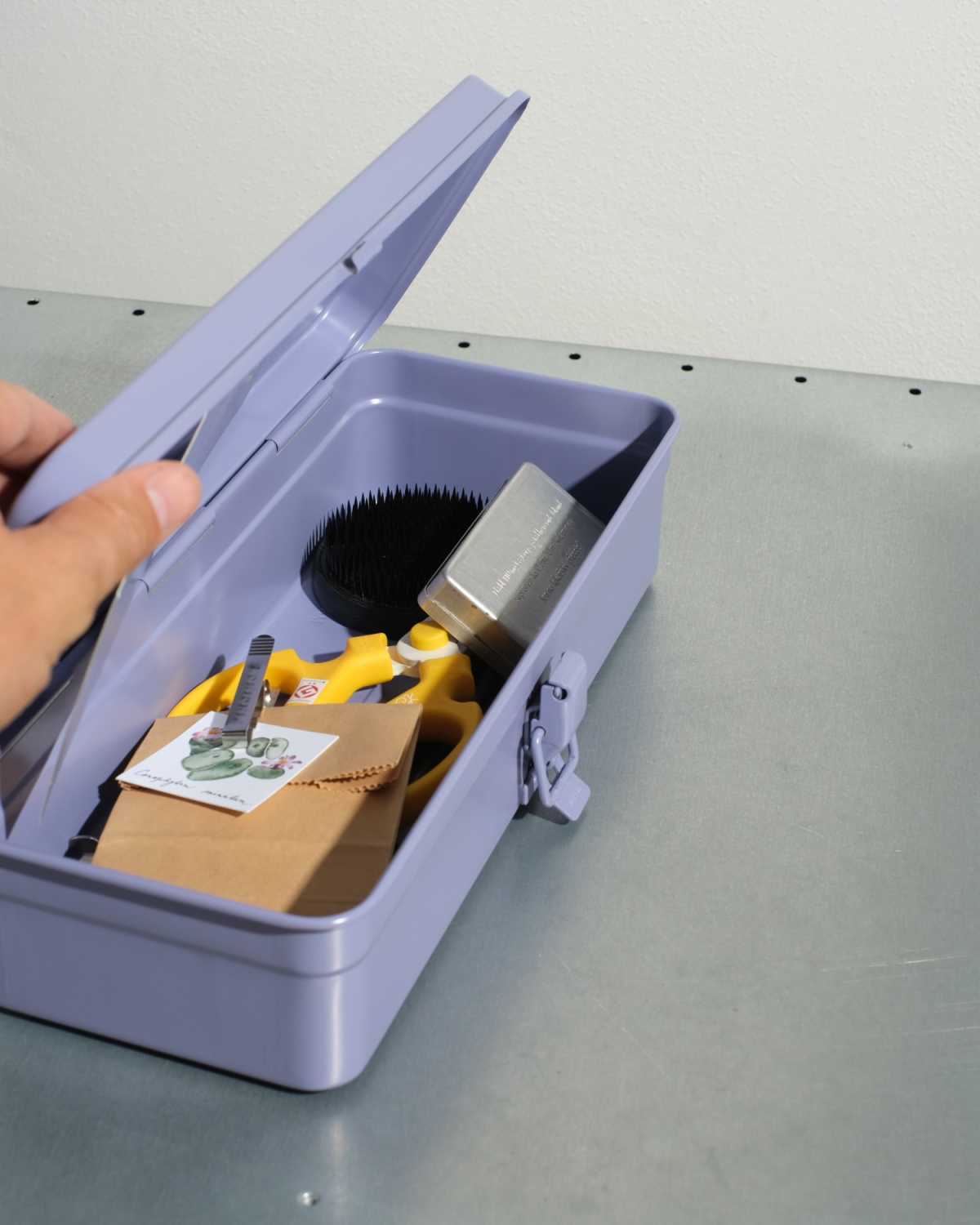
Its design allows it to adapt to almost any clothesline without deforming or losing its strength. Its uses extend far beyond the clothesline. It can be used to seal food bags, for crafts, while travelling or as a simple clip for holding photographs, notes or other small items.
A design that has not changed
For more than fifty years, the design of the clothes peg has remained almost unchanged. It shows that a well-designed object does not need to be constantly altered in order to serve for decades.