
How to Choose a Pencil from Viarco
How to Choose a Pencil from Viarco
A standard graphite pencil seems simple. We use it without thinking, and that's its strength. It's light, handy, ready anytime. You can customize the mark with one sharpening. A fine line and a broad stroke both come from one tool. And if something goes wrong, an eraser is enough. You start anew.
Table of Contents
How a pencil works and what it's made of
Differences between the hardnesses H, HB, and B
How to choose a pencil for writing or drawing
Why pencils come in different shapes
Portuguese Viarco pencils and their hardness
What watercolor graphite pencils can do
.
.
.
.
.
.
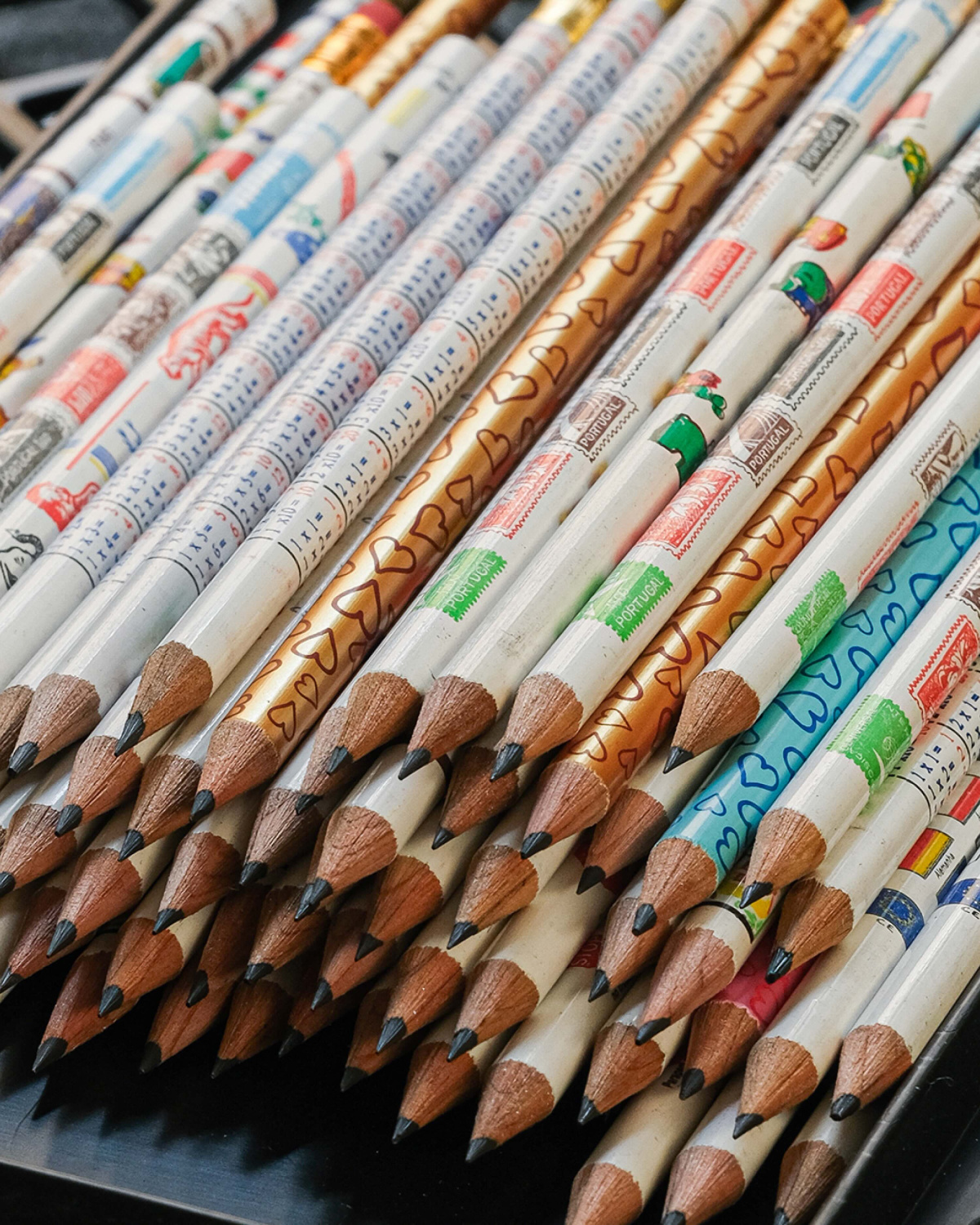
Portuguese Viarco Pencils
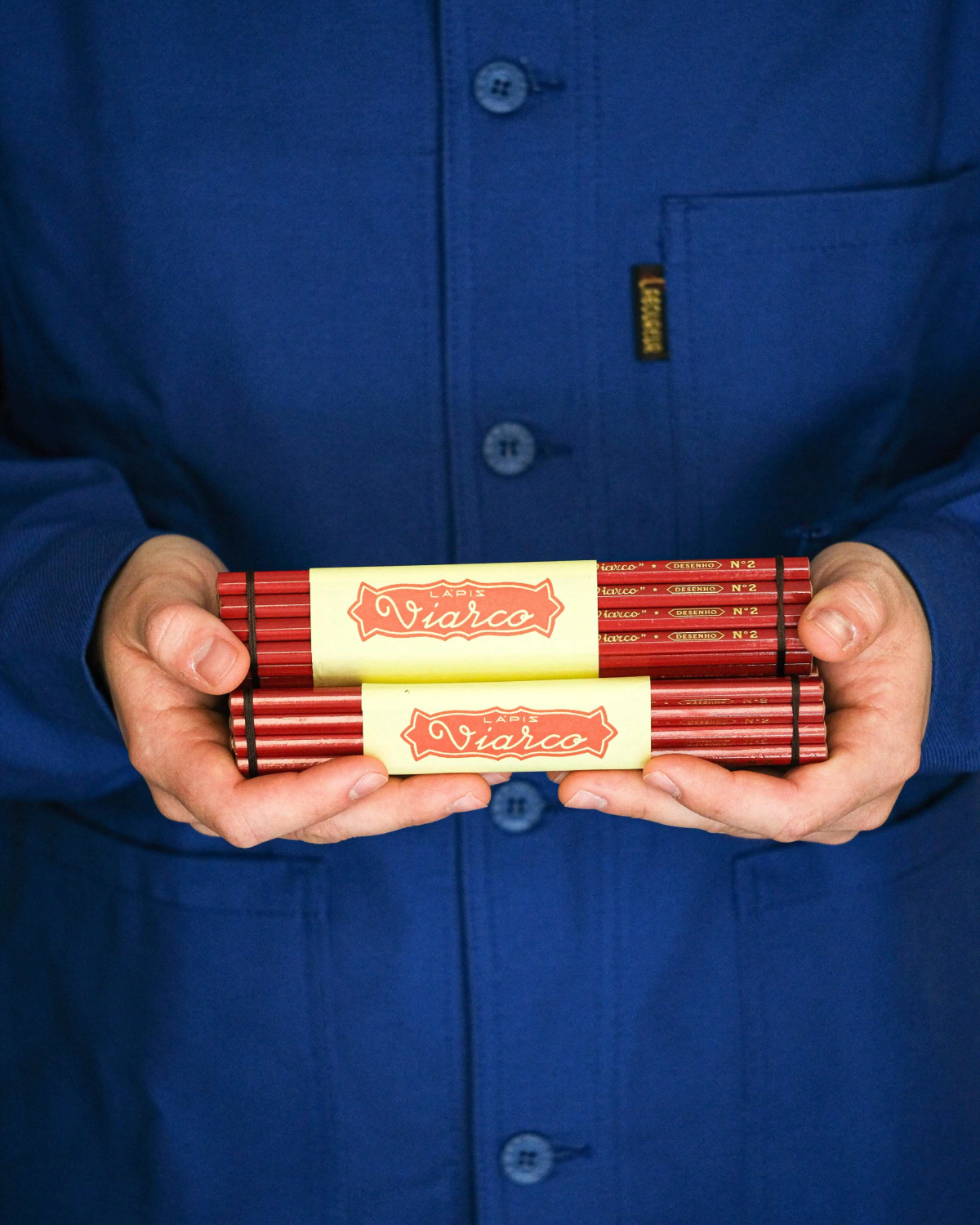
The Portuguese brand Viarco offers a wide range of hardnesses from firm pencils for technical drawing to soft variants suitable for sketching and drawing. Viarco pencils are popular for their characteristic expression on paper and a slightly different feel when writing compared to typical Japanese pencils.
Generally:
- H hardnesses are harder and leave a lighter mark,
- HB is a universal choice for regular writing,
- B and 2B are softer and darker,
- higher B hardnesses are suited for expressive drawing and shading.
Simple Pencil Construction
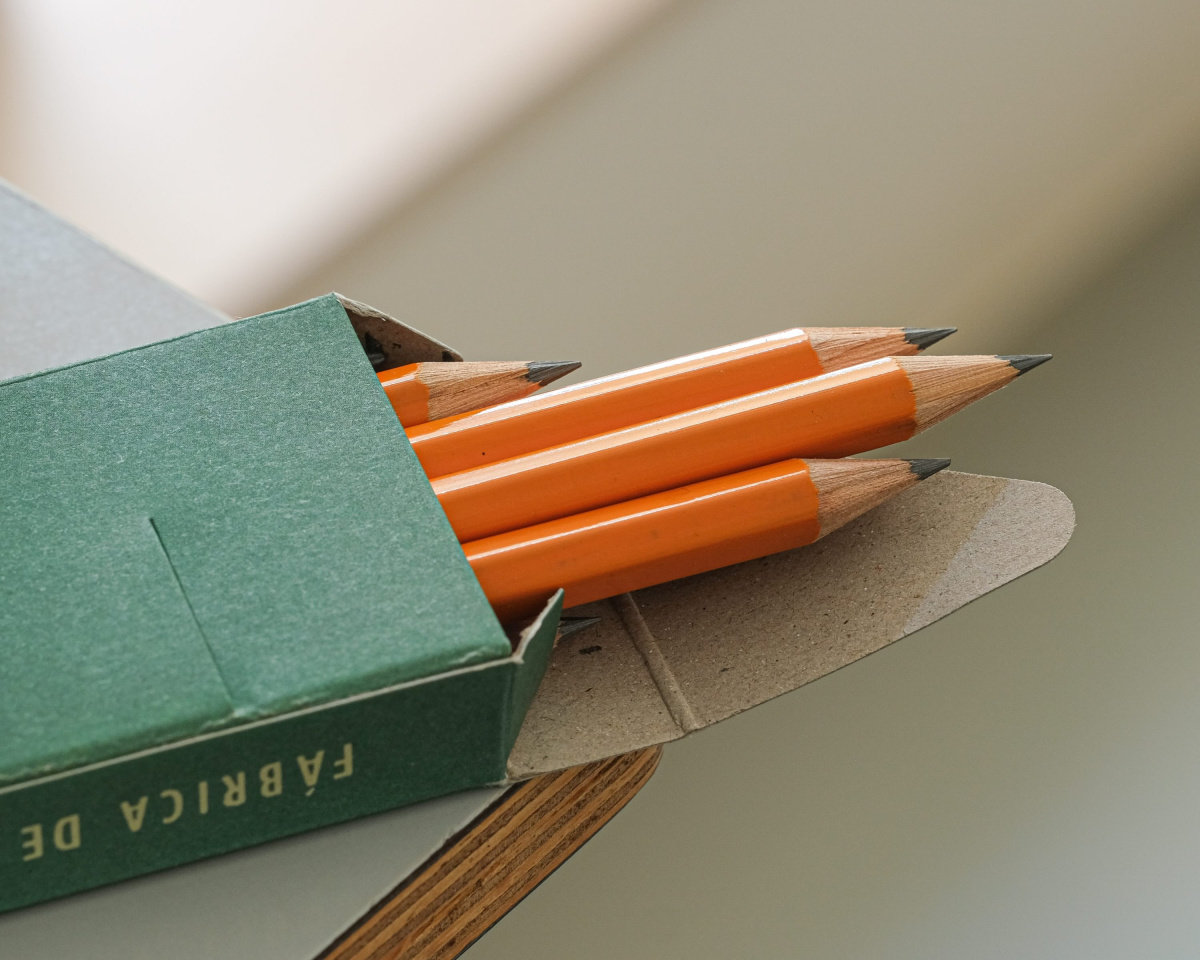
Wood and core. Nothing more. Most often cedar, which sharpens well and holds its shape. Inside, a mix of graphite and clay. Their ratio determines the character of the drawing. More graphite brings softness and darker marks. More clay means firmness and a lighter line. This principle settled in the 18th century. Since then, it hasn't changed. There's no reason to.
Why Pencils Are Hexagonal
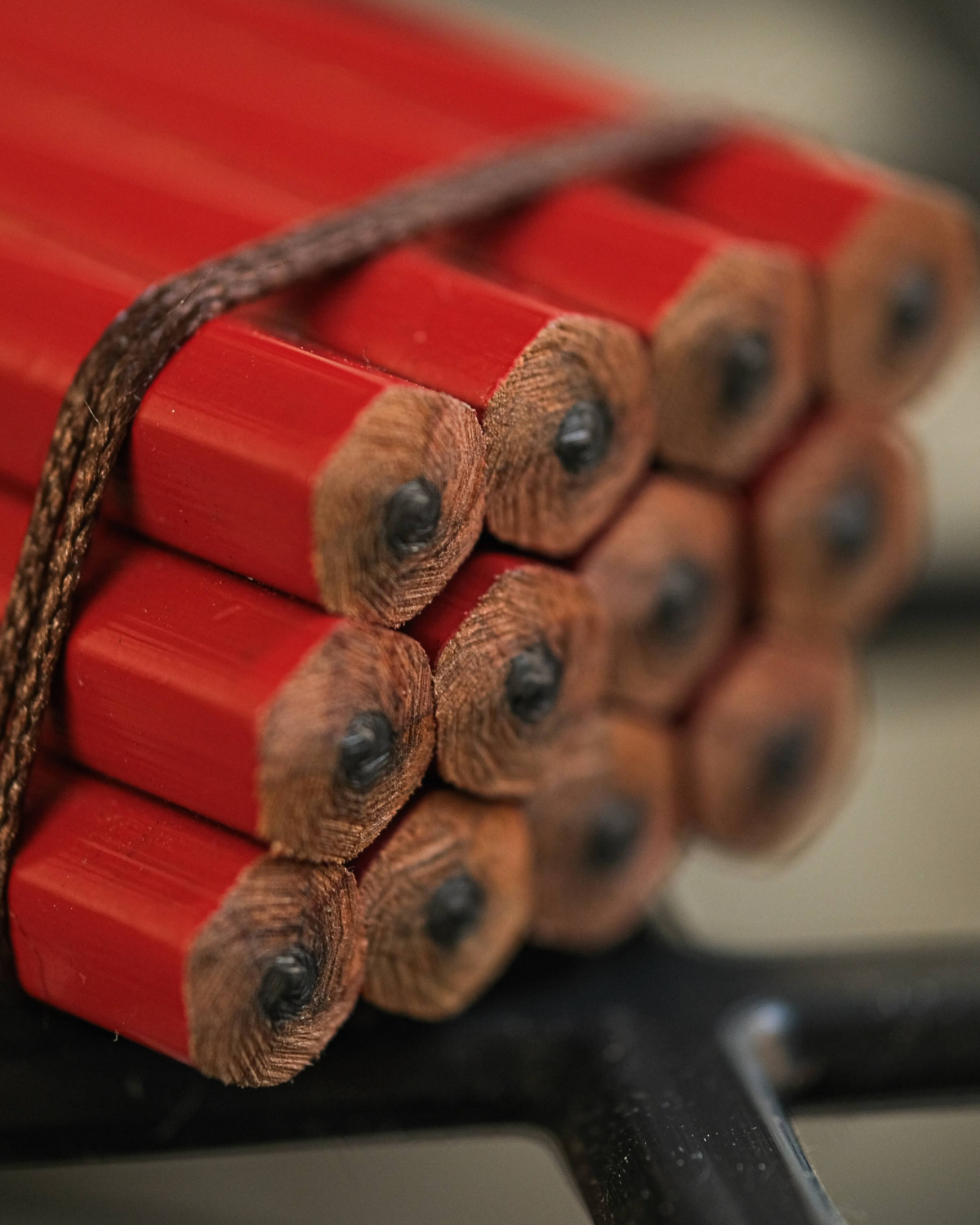
A basic shape that is functional. When you put the pencil down, it stays in place. In hand, it braces against the fingers and holds direction. It doesn't rotate or slip. It allows for precise lines without unnecessary pressure. That's why it works for writing and technical drawing. It's a natural choice for everyday work and for those just mastering the correct grip.
Round Pencils
In the fingers, it moves more freely. It doesn't lead the hand, it follows it instead. Suitable for long strokes, sketches, and shading. When tilted, it draws with its whole surface. The strokes are soft and flowing. It's a tool for gesture, not precision. Just be careful where you place it. It tends to roll.
Carpenter and Workshop Pencils
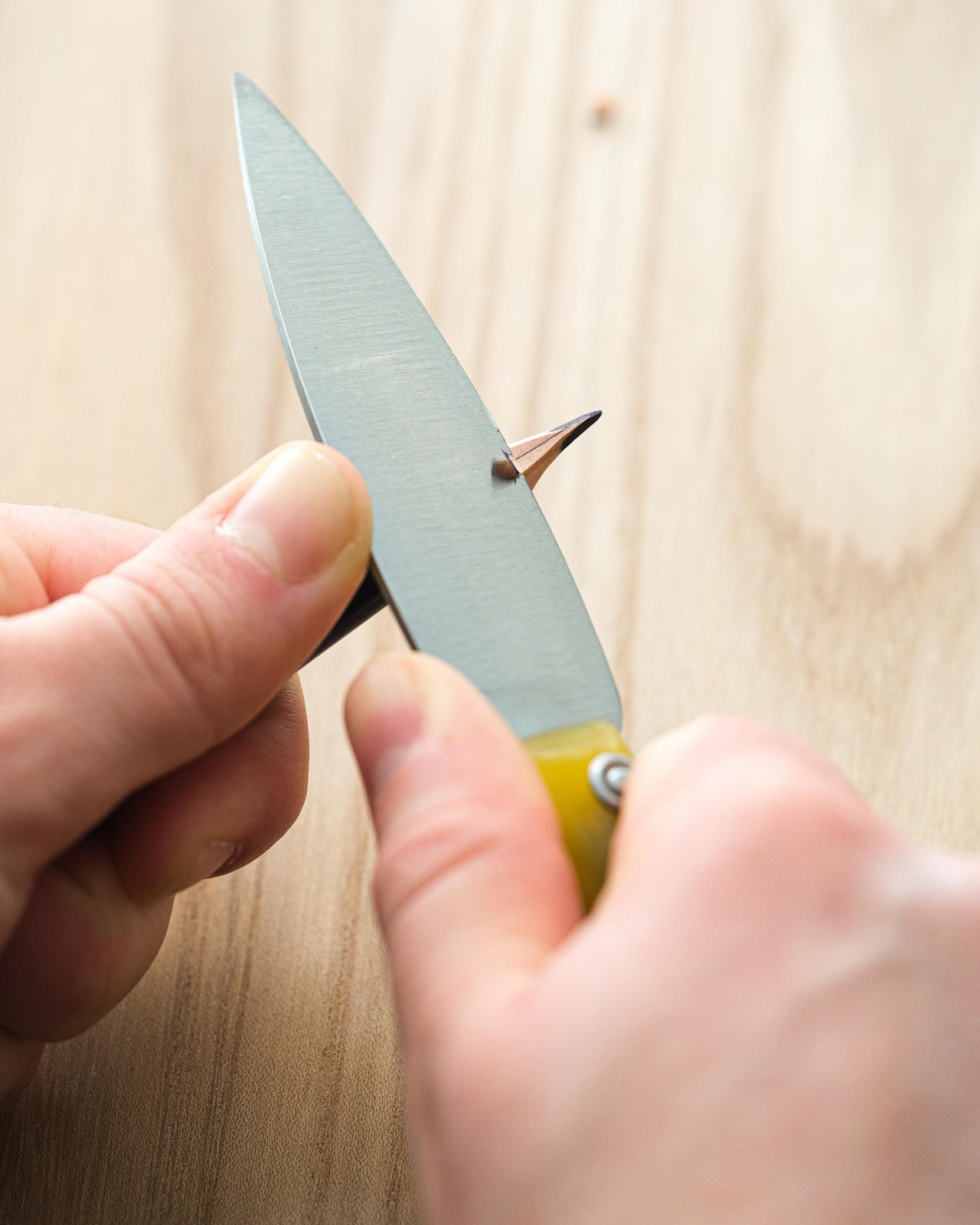
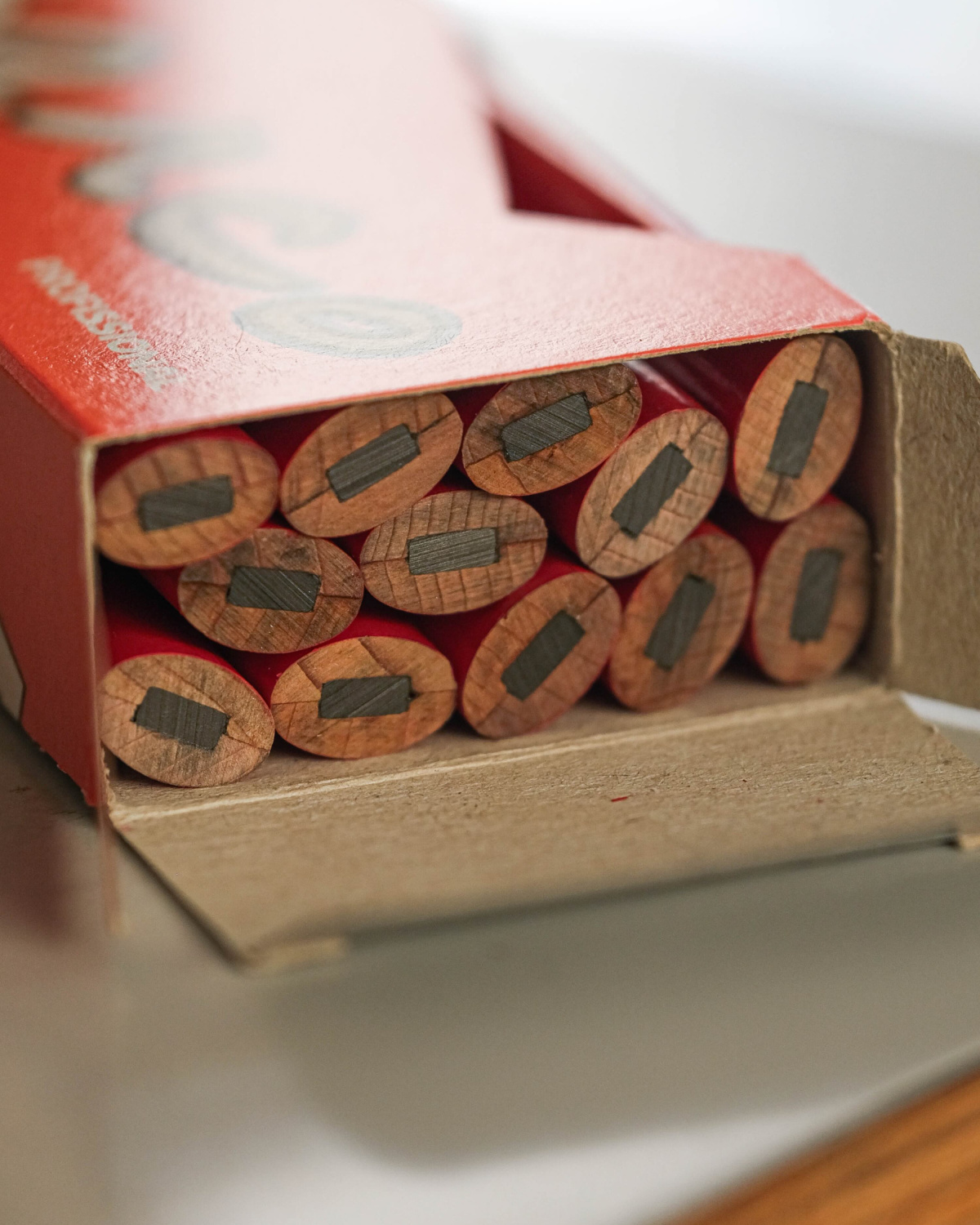
Carpenter's pencil belongs in a different setting. On rough materials – wood, concrete, brick. It's flat, so it stays where you place it. It sits securely in gloves. The thick core withstands pressure and uneven surfaces. It leaves a mark you can't overlook. Depending on the angle, it can create a thin line or a broad stroke. It's sharpened with a knife. Slowly and consciously.
When Graphite Meets Water
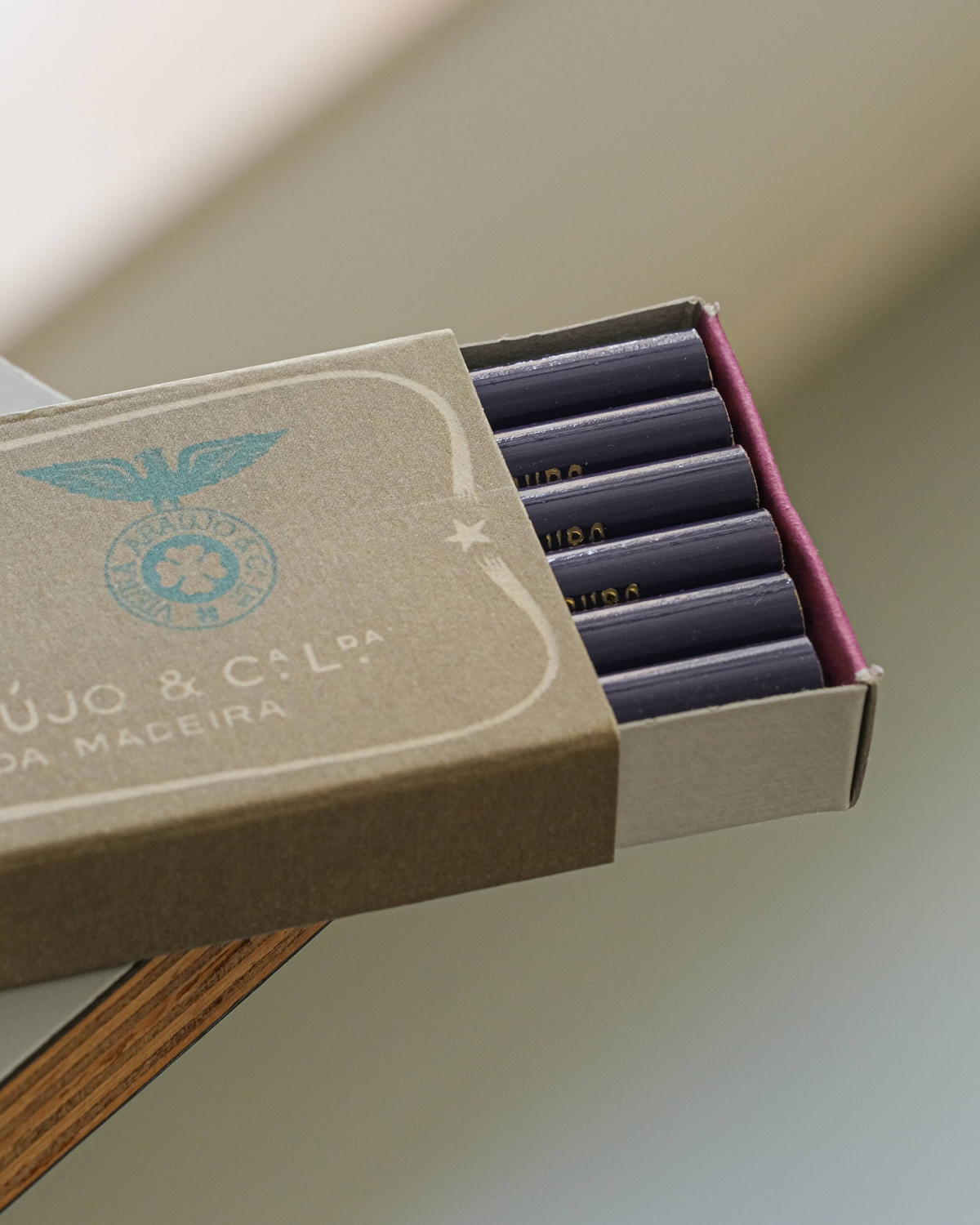
A blue graphite pencil with ink adds another layer. On dry paper, it draws precisely. With water, the mark loosens and starts to spread. The line changes into tone, shadow, atmosphere. The result is more pronounced but less reversible. The eraser no longer has the last word. You can draw and then wet the mark with a brush. Or work directly on damp paper. It works best on watercolor paper, which absorbs water without deforming.
Essence
A pencil is not just a tool. It's an extension of the hand. Just graphite and a bit of wood. And a mark is made that remains.
FAQ
What are the main advantages of the hexagonal pencil?
A hexagonal pencil sits firmly in the hand, doesn't slip, and provides support for precise as well as longer writing.
What is a round pencil good for?
A round pencil allows for free, fluid motion and is suitable for relaxed drawing and shading.
How is a carpenter's pencil sharpened?
A carpenter's pencil is sharpened with a knife, simply and without the need for a mechanism.
What kind of mark does a carpenter's pencil make?
A carpenter's pencil creates both thin and wide marks depending on the angle and pressure.
Lucie, Tokyo Tools ©